

Perennial Problems
A New Way to See Old Fights

Most of the teams we work with eventually circle around to a similar realization: "Haven't we been here before?" It's a familiar conversation, a repeated tension, a dynamic that seems to resurface no matter how many times it’s been discussed.
Before we go further, take a moment. Bring to mind a disagreement, decision, or recurring argument you’ve had (in your work or your life) where you thought: “Are we seriously talking about this again?” Something that loops back around even when you've put energy into resolving it. That moment is at the heart of what we want to explore here.
According to the Gottman Institute’s research on long-term relationships, 69% of problems are what they call "perpetual problems," recurring tensions rooted in fundamental differences. These aren’t things you fix once and for all. They come back, season after season. Often, these fundamental differences are shaped by competing values or needs that show up as polarities, a concept we’ll come back to in more depth later.
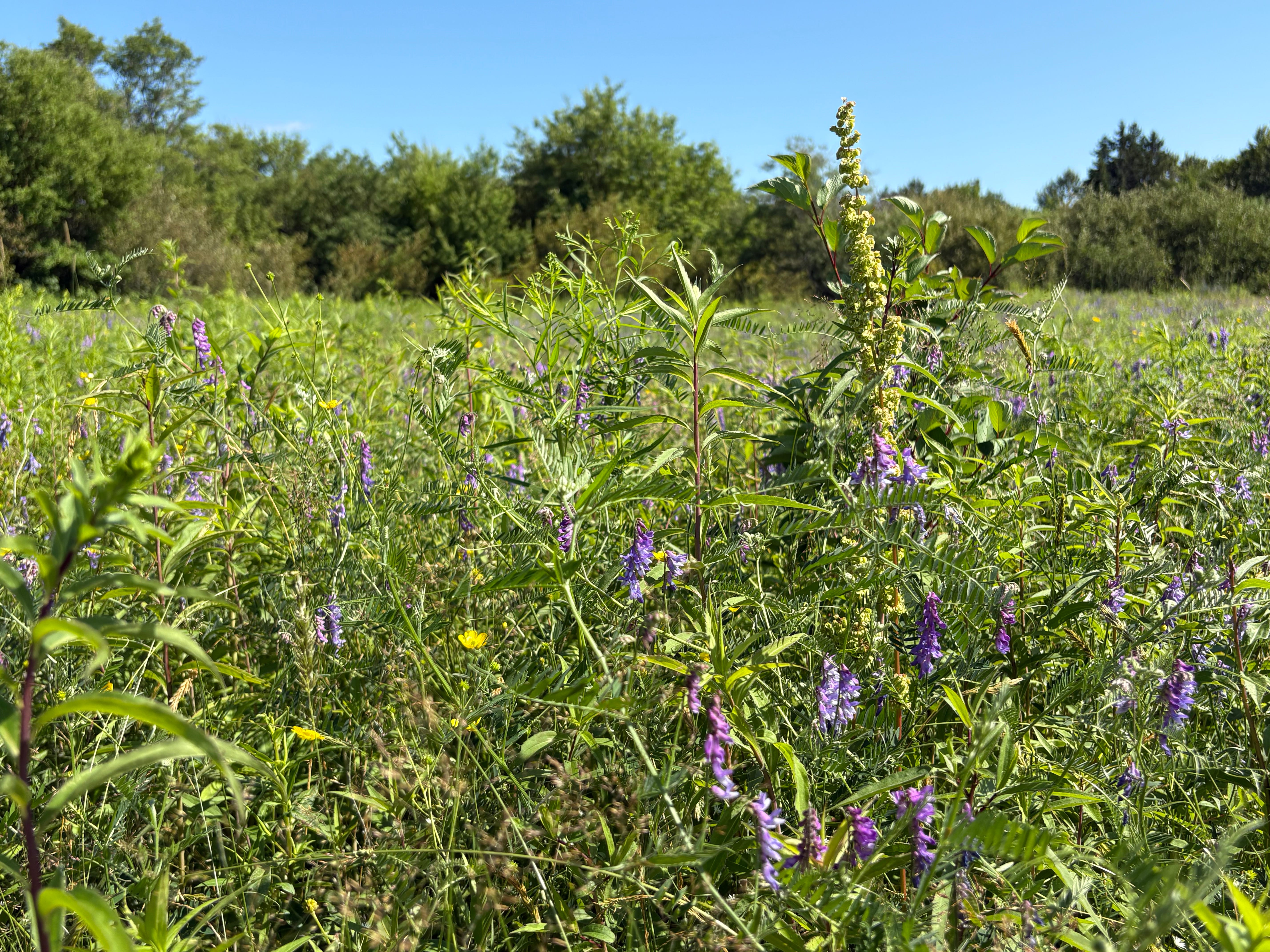
In our work, we use the language of perennial problems to describe this. Like plants in a garden, they emerge again and again. But as any gardener will tell you, the difference between a weed and a flower is often just a matter of perspective. The real question is: How are we choosing to relate to what returns?
Certain Problems Aren’t Yours - They Belong to the System
In relationship systems coaching and process-oriented psychology, we learn that certain tensions don’t actually belong to the individuals involved, they belong to the relationship system itself. These are often expressed through polarities: freedom vs. certainty, autonomy vs. consistency, innovation vs. stability.
We often externalize these patterns and assign them to individuals. We might say things like: "Wow, Jean is being such a control freak wanting everything centralized at the main office." Or, "Kirk always wants to stretch the rules, while Spock is just so cold and logical."
But here's the thing - the system: the organization, the team …or the Enterprise… needs these dynamics. It needs structure and flexibility, boldness and caution, imagination and reason. These tensions live in the relational field, not just in people. When we understand that, we can stop trying to "fix" individuals and start leading in the context of the whole system.
In organizational life, we see perennial problems in things like:
Centralized decision-making vs. decentralized autonomy
The desire for creativity vs. the need for predictability
Individual program flexibility vs. agency-wide standards of practice
These are tensions to be worked with, not problems to be solved.
This Isn’t a Bad Thing
When teams realize that a dynamic is perennial, it can be incredibly relieving. It shifts the story from "We're failing to fix this" to "This is something we'll keep navigating, so how do we want to do that together?"
This is where positivity ratios can help. Gottman’s research points to a 5:1 ratio of positive to negative interactions as a key marker of healthy relationships. Similarly, Shirzad Chamine talks about building a positivity vortex in teams, spending 75% of our mental energy in a positive, constructive state.
Why does this matter? Because working with perennial problems requires capacity. It takes emotional reserves, trust, and enough goodwill to stay engaged when that familiar tension re-emerges.
We build this reserve through everyday deposits: celebrating each other, naming when we achieve something meaningful, uplifting moments of grace or courage, and recognizing the attributes people bring to their work—compassion, creativity, clarity. These small acts of affirmation matter.
When we accept that some issues are going to keep coming up, we can shift from urgency and blame into design and dialogue.
How to Work With Perennial Problems
1. Name the Pattern
If a conversation starts to feel circular, or someone says, “Didn’t we already decide this?”—pause. That’s a signal this might be a perennial issue. Acknowledge it. Give it a name.
2. Make It a Team Issue, Not a Personal One
Ask: What is the polarity here? What’s the value on each side of this tension? Invite people to explore not just their perspective, but also the one they tend to resist. Integration begins with curiosity.
3. Design for the Pattern
Rather than trying to fix it, design how you’ll be with it. What values will guide you when this shows up again? What agreements can you make about how to engage next time? Consider building a Designed Team Alliance specifically for recurring tensions.
4. Replenish the Soil
Relating well takes capacity. What practices keep your team grounded, connected, and generous? Build in time to nourish the relationships—so when the next cycle returns, the ground is ready.
Closing: What the Garden Teaches Us
Some plants return every year whether we want them to or not. Sometimes they’re a gift. Sometimes they’re a nudge. Sometimes they’re just persistent… and sometimes they’re persistent for good reason.
Perennial problems aren’t signs that something is wrong. They’re an invitation to tend the deeper soil of your team—to relate with more care, to respond with more skill, and to keep designing your way forward.
After all, the difference between a weed and a flower is often just a matter of perspective—and how we choose to work with what grows.
Great article, thank you! I appreciate having such a helpful resource to share about navigating polarities.